Cassette Tapes on the Rise
Why Cassette Tapes Are Suddenly Cool Again?
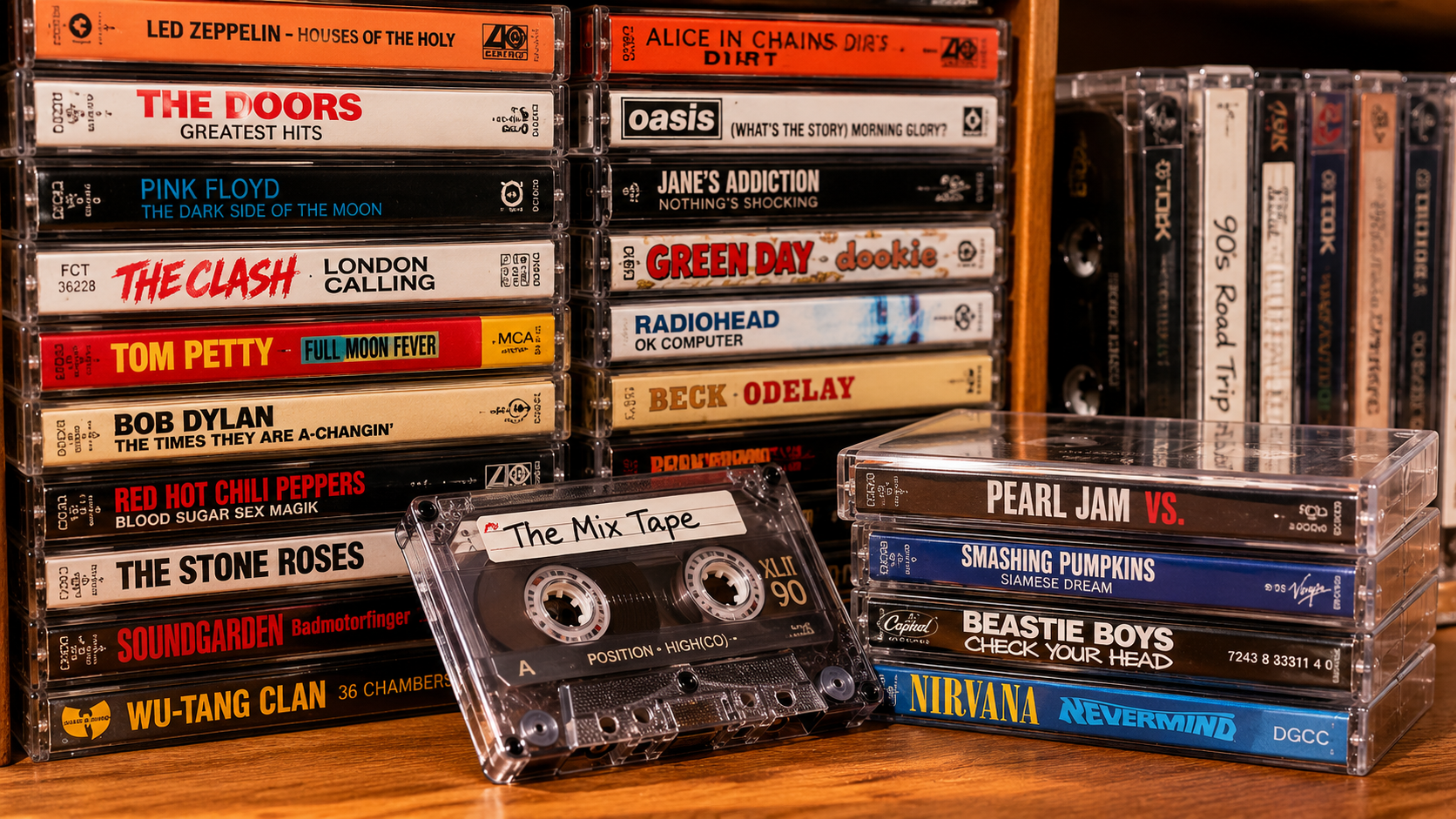
Walk into any independent record shop in 2026 and you might notice something unexpected—teenagers flipping through cassette tapes like it’s 1987.
I was visiting a local thrift store recently when I overheard two teens say: “Oh wow… they actually have cassettes!”
For years, vinyl dominated the physical music revival. But cassettes have quietly built their own comeback—especially among Gen Z listeners discovering analog music for the first time.
Disclaimer – this post contains affiliate links. If you decide to purchase something, we may receive a commission at no cost to you
If you’re curious about getting started, modern cassette players are now widely available online and are easier to use than ever.
Explore cassette players on Amazon
So what’s going on?
The Streaming Era Made Music Feel Disposable
Streaming gave us instant access to nearly every song ever recorded – but it also changed how we value music.
You don’t really own your playlists. Albums disappear. Apps change. Songs are skipped endlessly. Algorithms decide what you hear next.
That convenience comes at a cost: music becomes background noise instead of an experience.
Cassette tapes do the opposite.
- They bring back something physical:
- Album artwork you can hold
- Liner notes and J-cards
- The ritual of pressing play
- The moment of flipping the tape halfway through
Want to experience it yourself? Start with a simple portable cassette player.
From Wiki: A J-card is the paper card inserted in the plastic storage case of most audio cassette releases, as well as being latterly wrapped around the outside of many Blu-ray and DVD steelbooks and similar special editions.
Gen Z Loves “Offline” Experiences
Ironically, the first generation raised entirely online is helping bring analog technology back.
Researchers and trend analysts have connected the resurgence of tapes, film cameras, flip phones, and other retro tech to digital fatigue and a growing desire for slower, more tactile experiences.
Cassettes fit perfectly into that movement.
They’re imperfect. They hiss. They wear out. They force you to listen to an album in sequence instead of endlessly skipping tracks. And for many younger listeners, those “limitations” actually feel refreshing, plus…mixed tapes!
The Return of Mixtapes
One of the biggest cultural drivers of the cassette revival is the mixtape. Gen Z has reinterpreted it as:
- Personalized playlists in physical form
- Gifts for friends or partners
- Limited-edition artist drops
- Nostalgic creative expression
Unlike streaming playlists, mixtapes require effort—which is exactly the point.
To make your own, you’ll need blank tapes and a recorder or deck.
Cassette Players, Walkmans & Modern Options
You don’t need expensive or brand-new gear to get started with cassettes.
In fact, the easiest (and cheapest) option is often to dig out your parents’ old cassette deck or hit a local thrift store. Vintage cassette players are still surprisingly common, and it’s not unusual to find working units for under $20. With a little luck, you can be listening to tapes the same day you decide to try it. You could even pick up a few tapes while you’re there. I’m seeing used cassettes tapes at ARC thrift shops and the Goodwill. I picked up this Sony Dual Cassette player for only $9.99. Throw in a few Rolling Stones bootlegs and you’re good to go.
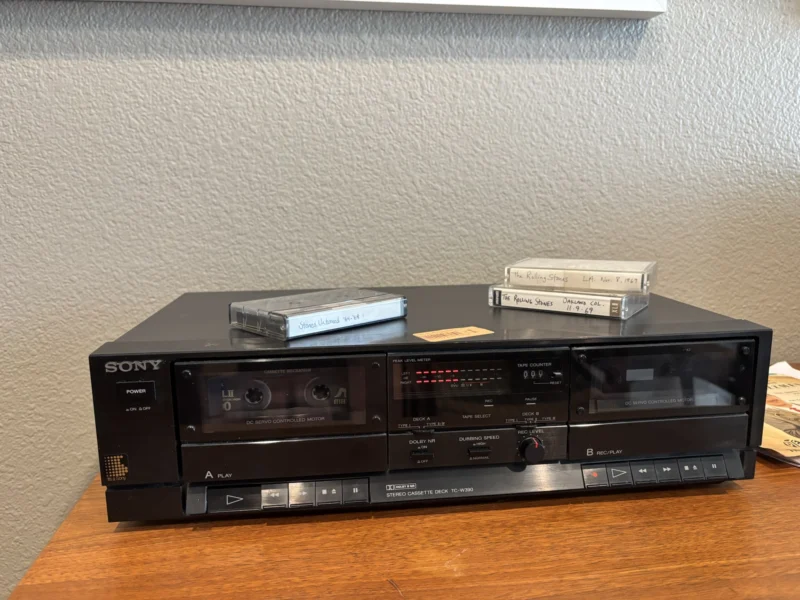
A thrift store Sony dual cassette deck—proof that great analog gear is still out there for under $20.
That said, if you don’t want to rely on secondhand gear—or you just want something more reliable—there are plenty of modern options available today.
Today’s cassette players include:
- Portable Walkman-style cassette players
- Retro-style boomboxes with built-in speakers
- Modern cassette decks for home hi-fi setups
- Many newer models also include conveniences like:
- Headphone outputs for private listening
- Built-in speakers for portability
- Bluetooth or AUX compatibility for hybrid listening setups
Best place to start
If you’re just getting into cassettes, a simple modern portable player is the easiest entry point.
Email Newsletter Sign Up
Get vinyl tips, Denver record store updates, stereo gear guides, and music nostalgia delivered to your inbox.
weekly popular