Discogs 101: What is it Why Collectors Love it.
Discogs 101: What It Is, Why Collectors Love It, and How to Use It
If you’re serious about vinyl collecting, you’ve probably heard of Discogs. But what exactly is it, why is it so popular, and how can it help you build, track, and buy your collection smarter? Let’s break it down..
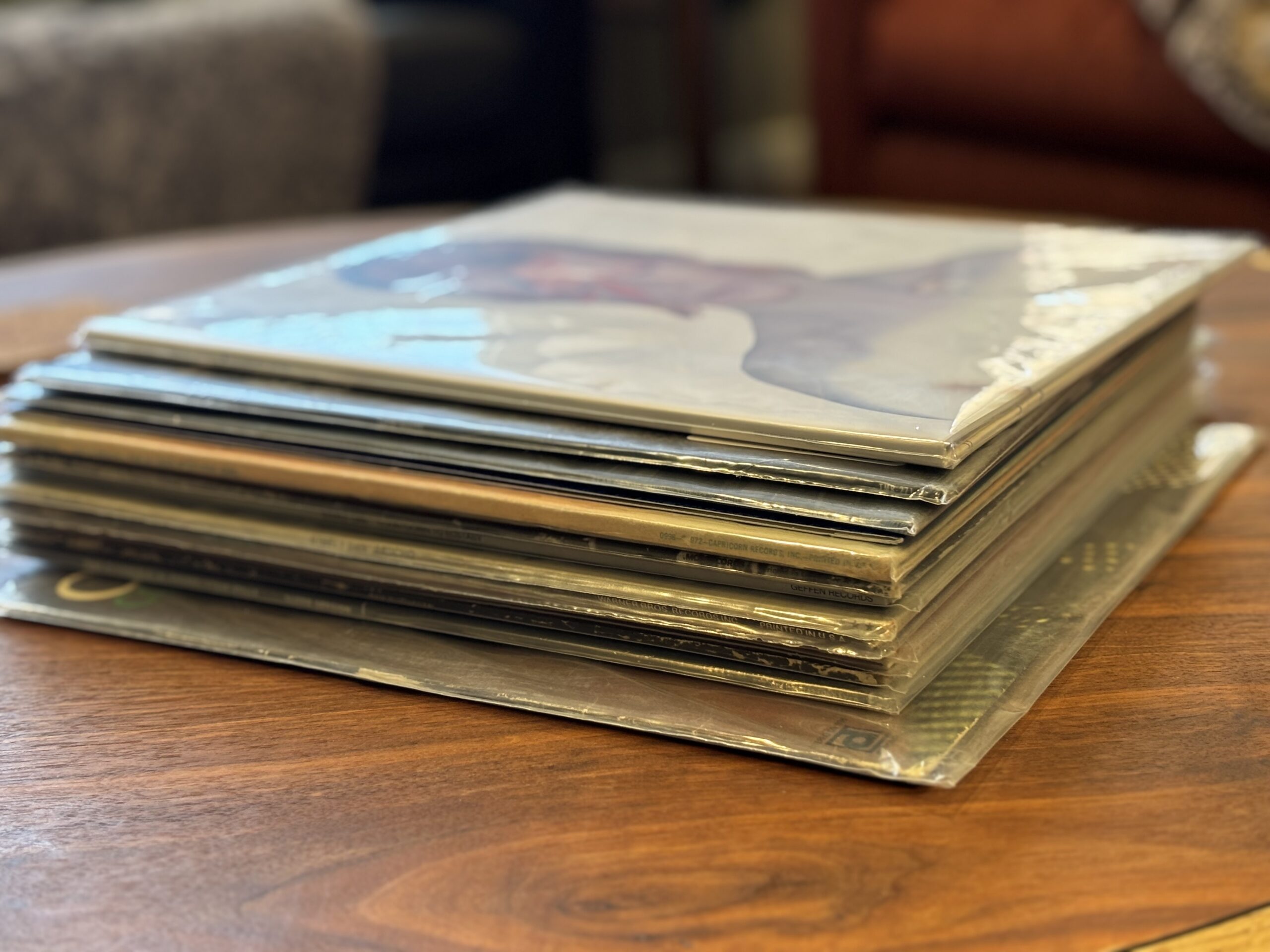
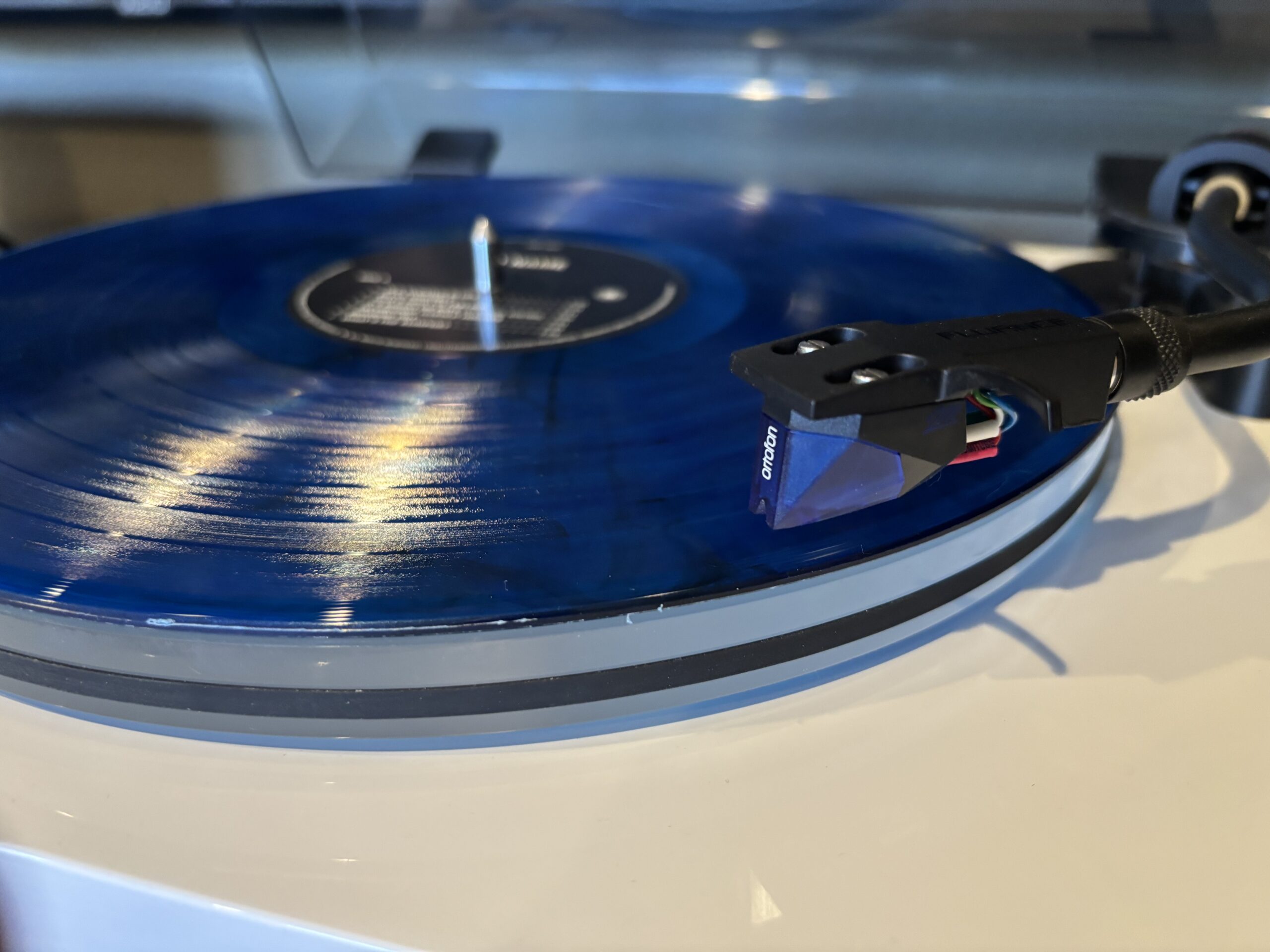
Discogs is the world’s largest online database and marketplace for music releases. It started in 2000 as a small community project for electronic music but quickly expanded to include every genre, format, and pressing imaginable. Today, it’s a go-to resource for collectors, DJs, and anyone looking to understand the details of a record.
The platform has two main functions:
-
Database: Every release ever issued, including pressings, reissues, variants, and international versions, is cataloged.
-
Marketplace: Collectors can buy and sell records worldwide, often tracking prices and conditions with incredible precision.
Discogs is an indespensible resource for pricing, researching and buying or selling vinyl records. It’s a marketplace and a library. You can even add your collection to keep track of all the vinyl you own.
Why Record Collectors Use Discogs
Discogs has become indispensable for vinyl enthusiasts because it solves a few key problems:
How to Use Discogs Effectively
Here’s a practical step-by-step guide:
1. Create a Free Account
Sign up at Discogs.com and set up your profile. You’ll need an account to add records to your collection, buy or sell, or create a want list.
2. Search for Releases
Use the search bar to find the album or single you want. Pay attention to:
- Year of Release
- Country of pressing
- Label variations
- Matrix/runout numbers (these often indicate first pressings or rarer versions)
3. Check the Marketplace
Click the “Marketplace” tab to see current listings. Filter by:
- Condition (NM, VG+, etc.)
- Price
- Shipping location (to reduce costs)
4. Add to Your Collection
Once you own a record, add it to your Discogs collection. Include:
- Condition notes (sleeve, vinyl, inserts)
- Purchase price
- Any special notes (e.g., promo copy, colored vinyl)
5. Create a Wantlist
If you’re hunting for rare pressings or hard-to-find records, create a wantlist. Discogs can notify you when your item is listed.
6. Follow Sellers or Labels
Some collectors follow specific sellers with reliable grading or specific labels known for rare pressings. This can save time and ensure quality.
Tips and Warnings
-
Condition is subjective: Even Discogs listings can vary in accuracy. Always read the seller’s notes carefully.
-
Check shipping costs: Some international sellers look cheap until shipping is factored in.
-
Don’t obsess over numbers: Price trends are helpful, but collecting should be fun, not stressful.
Why Discogs Matters
For vinyl collectors, Discogs is more than a marketplace – it’s a research tool, a catalog, and a community hub. Whether you’re tracking a personal collection, hunting rare pressings, or just curious about what makes a record valuable, Discogs provides the data and transparency that collectors need.
Email Newsletter Sign Up
Get vinyl tips, Denver record store updates, stereo gear guides, and music nostalgia delivered to your inbox.
weekly popular