

Original Pressings vs. 180g Vinyl: What’s the Difference?
If you’ve ever stood in front of a record bin debating between an original pressing and a newer 180 gram reissue, you’re definitely not alone. It’s one of the most common questions we hear from collectors, audiophiles, and first-time vinyl buyers alike.
The truth is, there’s no universal “best” option. Both original pressings and modern 180g reissues have their own strengths, and the right choice depends on what matters most to you: sound quality, collectibility, nostalgia, durability, or price.
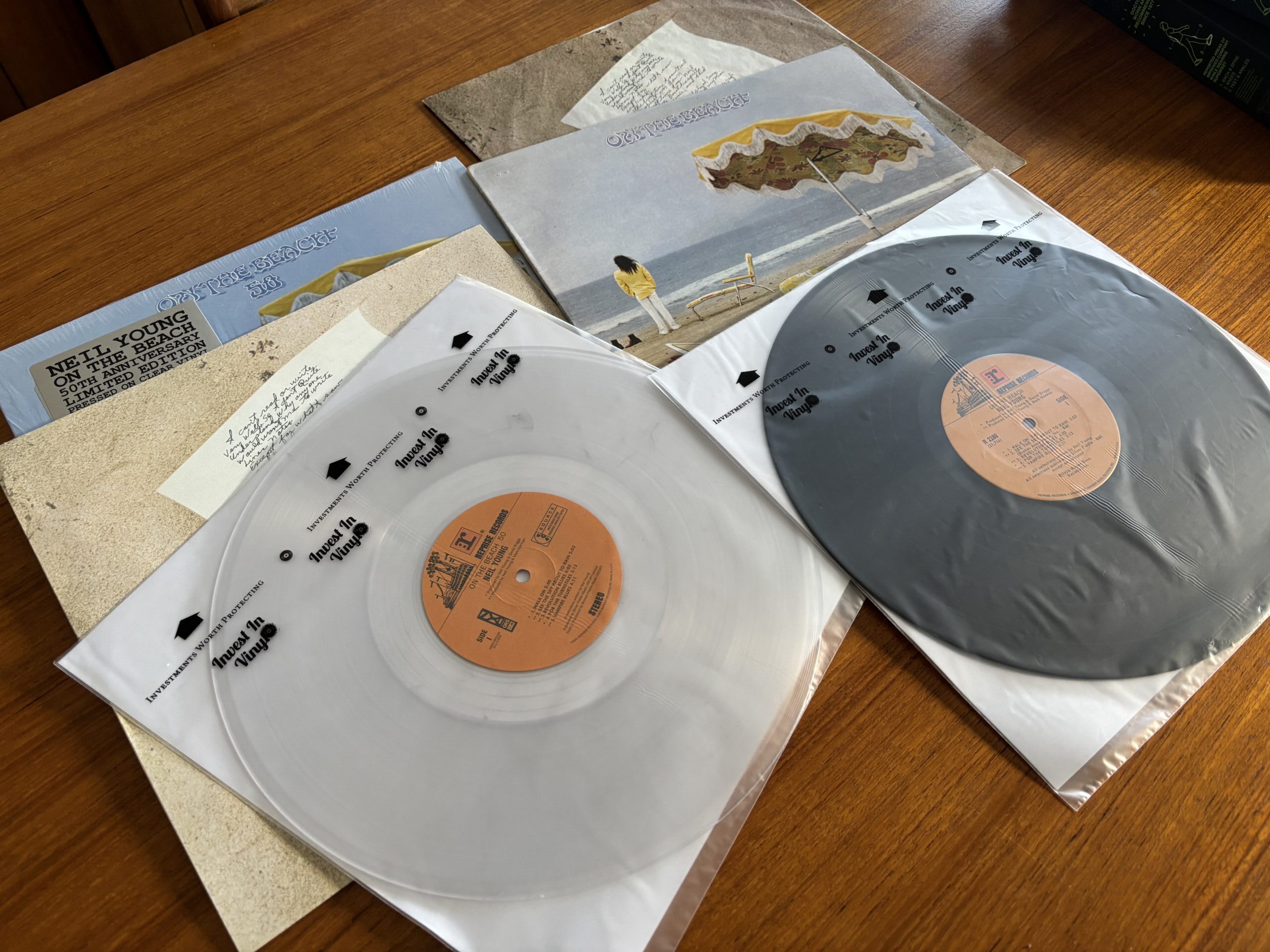

What Is an Original Vinyl Pressing?
An original pressing is a record manufactured during the album’s initial release period. For many collectors, these are the holy grail because they represent the music exactly as listeners first experienced it.
Original pressings often feature:
- Vintage mastering techniques
- Original label artwork and packaging
- Unique inserts, sleeves, or promotional materials
- Historical and collector value
- Analog warmth many listeners love
Because they were produced decades ago, original records may also include surface noise, minor imperfections, or wear from years of playback. For some collectors, those imperfections are part of the authentic vinyl experience.
180 gram vinyl refers to heavyweight records that are thicker and heavier than standard LPs. Most modern audiophile reissues use 180g pressings because they feel premium and are generally more durable..
What is 180 Gram Vinyl?
A 180 gram release typically offers the upgrades below, but It’s important to note that heavier vinyl does not automatically mean better sound. The quality of the mastering and pressing process matters far more than weight alone.
Vintage Warmth vs. Modern Clarity
Sound quality is usually the biggest factor when choosing between original and 180g pressings.
Original Pressings
Many audiophiles prefer original pressings because they were mastered closer to the era in which the music was created. Some believe these versions deliver a more natural, dynamic, and “true-to-the-time” sound.
Pros:
- Authentic vintage sound
- Original analog mastering
- Unique tonal character
- Historical listening experience
Cons:
- Possible surface noise
- Groove wear from age
- Inconsistent condition
180 Gram Reissues
Modern reissues often sound cleaner and quieter, especially when sourced from high-quality masters and pressed by reputable plants.
Pros:
- Lower noise floor
- Better durability
- Cleaner playback
- Often easier to find in mint condition
Cons:
- Some digital remasters can sound compressed
- Not all reissues use original master tapes
- Can lack the character of vintage pressings
Weight and Build Quality
One of the first things you notice about a 180g record is the weight. They feel solid, substantial, and luxurious in your hands.
Original pressings are often thinner and lighter, but many collectors appreciate their vintage feel and aging artwork. Older sleeves, lyric inserts, hype stickers, and label variations can add tremendous character and value.
At the end of the day, there’s no wrong answer in the debate between original vinyl pressings and 180 gram reissues. Some collectors chase the nostalgia, warmth, and history of vintage originals, while others prefer the reliability and clarity of modern audiophile pressings.
Most serious vinyl fans eventually end up appreciating both.
We believe every record tells a story – whether it’s a rare first pressing pulled from a crate or a beautifully remastered 180g reissue spinning for the very first time.

Email Newsletter Sign Up
Get vinyl tips, Denver record store updates, stereo gear guides, and music nostalgia delivered to your inbox.
weekly popular