What Is a White Label Promo Record, And Why Are They Valuable?
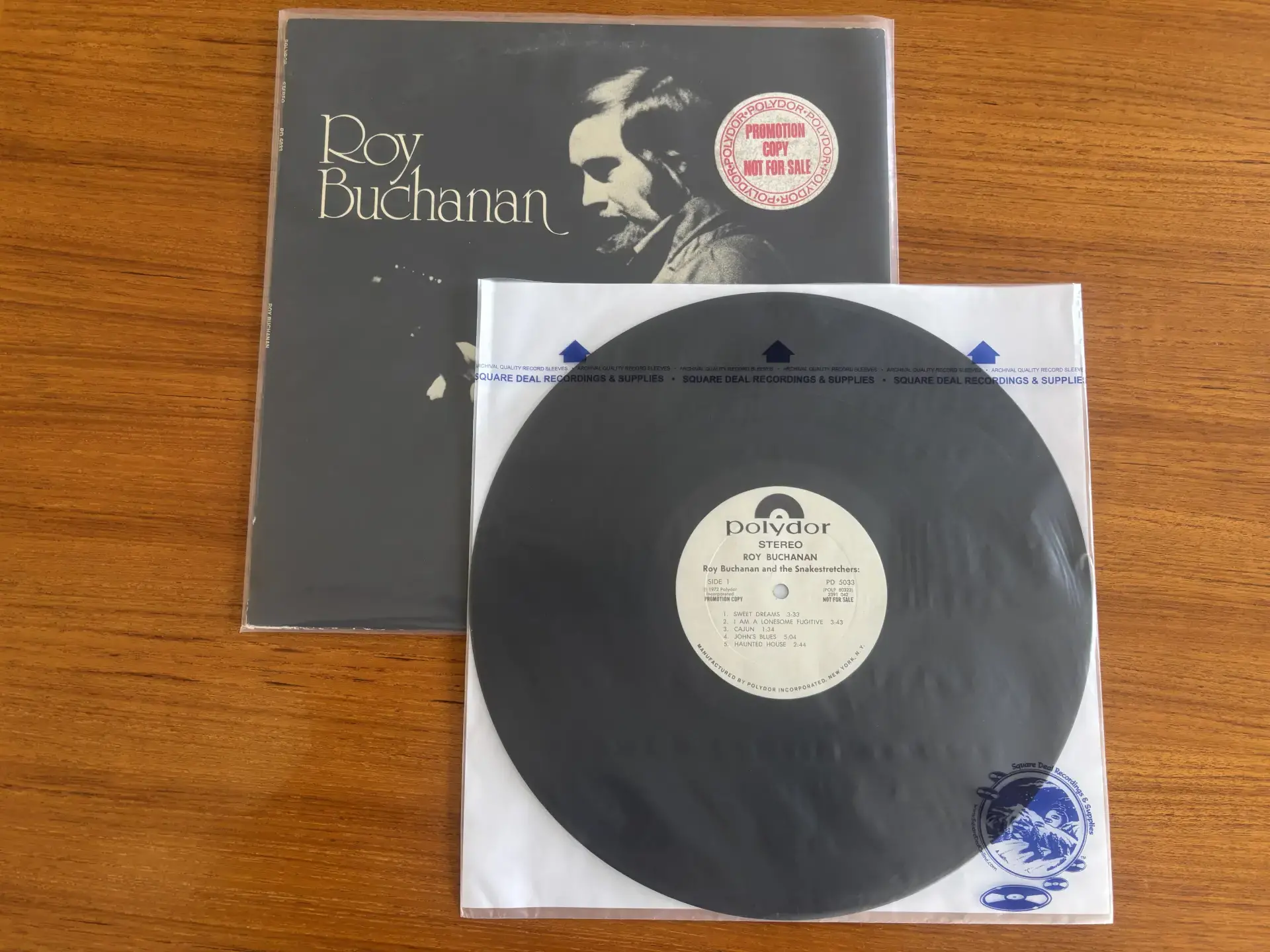
If you spend any time digging through vintage vinyl, you’ll eventually come across a record with a plain white label that simply says “Promotional Copy” or “Not For Sale.” These are known as white label promo records, and for collectors they can be some of the most desirable versions of an album.
But what exactly are they, and why do collectors seek them out?
Let’s take a closer look.
What Is a White Label Promo?
A white label promo is a record that a label pressed before or alongside the commercial release of an album and sent out for promotional purposes.
Instead of the normal colorful label design used for retail copies, these records feature simple white labels with basic text, typically including:
-
The artist name
-
Album or song title
-
Catalog number
-
“Promotional Copy – Not For Sale”
Record companies distributed these copies primarily to:
-
Radio stations
-
Music journalists and critics
-
Record store buyers
-
DJs and industry insiders
The goal was simple: generate buzz and radio airplay before the album officially hit stores.
Why White Label Promos Are Special
There are a few key reasons collectors value white label promos.
1. They’re Often First Pressings
In many cases, white label promos were pressed before the main retail run of the album. That means they can represent the earliest available pressing of a record.
Collectors often prefer first pressings because they are closest to the original production master and sometimes feature better sound quality or different mastering.
2. They Were Produced in Small Numbers
Unlike standard commercial releases, which might be pressed in the tens or hundreds of thousands, promo copies were typically made in much smaller quantities.
A major release might have only a few thousand promotional copies sent to radio stations nationwide. Smaller releases might have had far fewer.
Once they were used by stations or industry insiders, many were played heavily, discarded, or lost, making surviving clean copies much harder to find today.
3. They Have Unique Labels and Markings
Collectors love variations, and white label promos often feature unique details such as:
-
White promotional labels instead of standard label designs
-
Timing strips on the cover for radio use
-
“Promo Copy” stamps or gold stamps on the jacket
-
Special mono or radio mixes not available commercially
These small differences make them distinct artifacts from the music industry’s promotional process.
4. They Were Often Sent to Influential Tastemakers
White label promos were typically sent to radio DJs and critics first, meaning these were the copies that helped break songs on the airwaves.
There’s a certain historical appeal to owning a copy that may have been spun on radio when the record was brand new.
Are White Label Promos Always More Valuable?
Not always – but often.
Value depends on several factors:
-
Artist popularity
-
Album demand among collectors
-
Condition of the record and jacket
-
Whether the promo version differs from the retail version
For highly collectible artists like Bob Dylan, The Beatles, or David Bowie, white label promos can sometimes sell for significantly more than standard copies.
However, for less sought-after titles, the promo designation may only add a modest premium.
A Quick Tip for Vinyl Collectors
If you’re digging through records and spot a plain white label, don’t skip past it.
Flip it over and look closely – you might be holding a white label promotional pressing, which could be:
-
An early pressing
-
A rare radio-only copy
-
A collectible version worth more than the standard release
It’s one of the many reasons crate digging never gets old.
Final Thoughts
White label promo records are fascinating pieces of music history. They represent the moment before a record reached the public, when labels were working behind the scenes to get artists heard on the radio and written about in magazines.
For collectors, they combine rarity, history, and unique variations – three things that make vinyl collecting so rewarding.
And every once in a while, that plain white label turns out to be the most interesting record in the bin.
Email Newsletter Sign Up
Get vinyl tips, Denver record store updates, stereo gear guides, and music nostalgia delivered to your inbox.
weekly popular