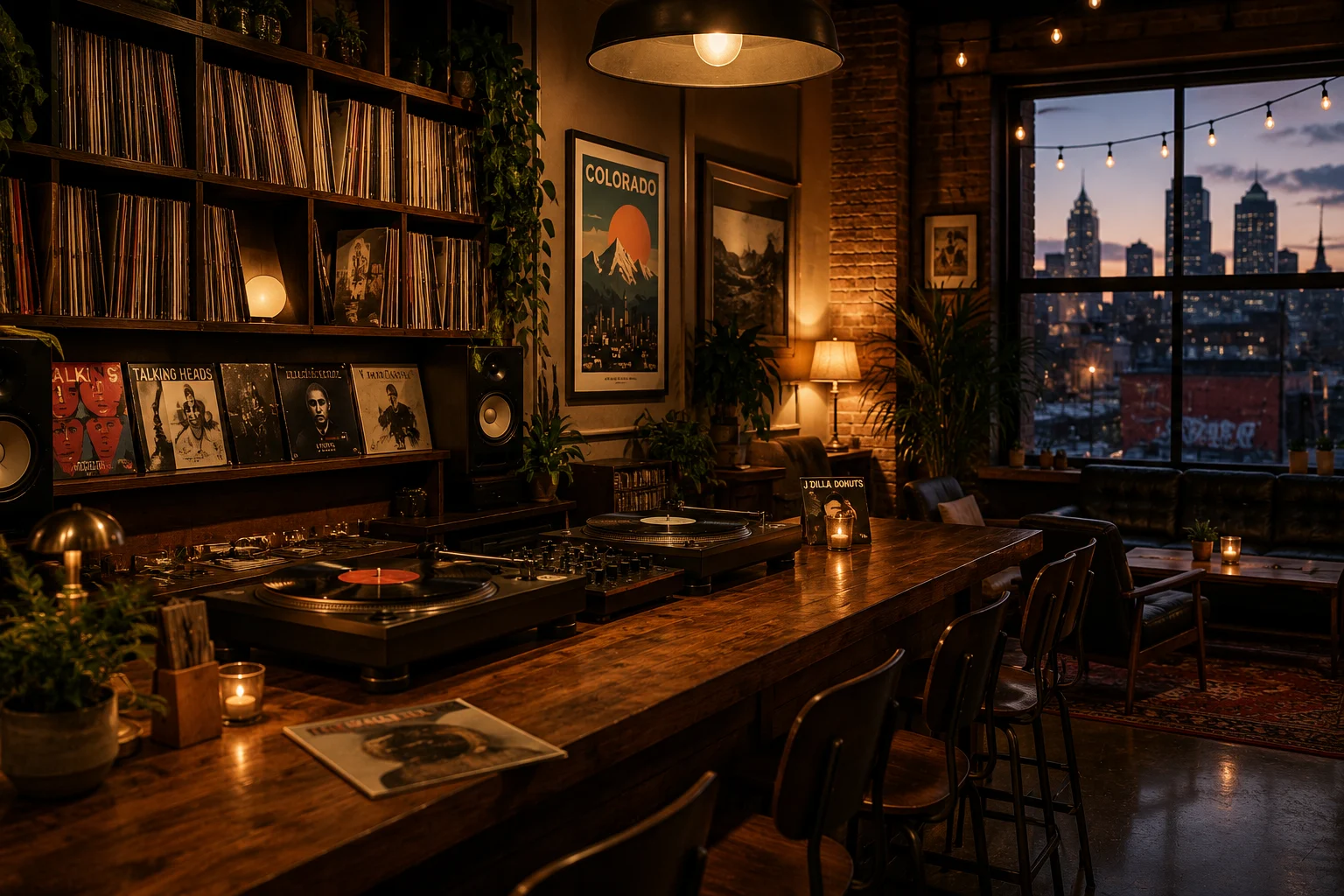
Kissa Bars: How Japan Inspired Today’s Vinyl Listening Culture
Japanese Kissa Bars: How Japan Taught the World to Listen to Records
Walk into a typical bar and music is usually an accessory. It’s there to fill the silence, create energy, or set the mood. Walk into a traditional Japanese jazz kissa, and the music is the reason the room exists.
Long before vinyl made its modern comeback, Japan developed a unique listening culture centered around records, high-fidelity sound systems, and deep musical appreciation. That culture helped preserve the art of intentional listening and ultimately inspired today’s listening bars, vinyl nights, and record-focused venues around the world.
Whether you’re spinning records at home, attending a vinyl night at a brewery, or visiting one of the growing number of listening bars in Colorado, you’re experiencing a tradition that traces its roots back nearly a century.
What Is a Kissa Bar?
The term “kissa” comes from the Japanese word kissaten, which roughly translates to a coffee or tea house.
While traditional kissaten served as neighborhood cafés, a specialized version emerged during the early 20th century: the jazz kissa.
These establishments were built around one simple idea: People would gather specifically to listen to music.
Rather than treating records as background entertainment, jazz kissa owners created spaces where albums could be appreciated with the same attention people might give a live performance.
In some venues, conversation was discouraged during listening sessions. Customers would order coffee, settle into a chair, and spend hours immersed in carefully selected recordings.
Why Jazz Kissa Became Popular
To understand jazz kissa culture, you have to remember how difficult it once was to access music.
During the 1930s, 1940s, and 1950s, imported records were expensive. High-quality audio equipment was even more costly. For many Japanese music fans, owning a large record collection wasn’t realistic. Jazz kissa solved that problem. Owners invested heavily in records and playback systems, allowing customers to hear music they otherwise couldn’t experience. These venues became community listening rooms where people could discover artists, discuss recordings, and develop a deeper appreciation for music.
For many listeners, it was the equivalent of having access to the world’s best stereo system.
The Golden Age of Listening
From the 1950s through the 1980s, jazz kissa culture flourished throughout Japan. Thousands of venues opened across the country. Some specialized in jazz, while others focused on classical music, blues, folk, progressive rock, or experimental recordings.
Many became legendary for their sound systems.
Massive horn-loaded speakers, tube amplifiers, and meticulously curated record collections transformed these spaces into destinations for serious music lovers. Some owners spent decades refining their setups and building libraries containing thousands of LPs.
In an era before streaming algorithms, kissa owners served as human curators, introducing listeners to artists and albums they might never have discovered on their own.
The Philosophy Behind Kissa Culture
What makes jazz kissa so fascinating isn’t just the equipment or the records.
It’s the mindset.
Kissa culture values:
- Listening with intention
- Experiencing complete albums
- Respecting the artist’s sequencing
- Discovering unfamiliar music
- Appreciating sound quality without obsessing over equipment
In today’s world of endless playlists, social media scrolling, and constant distractions, those ideas feel surprisingly modern.
The kissa experience reminds us that listening can be an activity rather than background noise.
When Technology Changed Everything
By the late 1980s and 1990s, the world had changed. CDs became dominant. Home stereo systems became more affordable. Portable music players made it possible to carry thousands of songs anywhere. The original purpose of jazz kissa began to fade. Many venues closed as younger generations embraced new ways of consuming music, and some observers believed the tradition might disappear entirely.
But something unexpected happened.
Vinyl Came Back
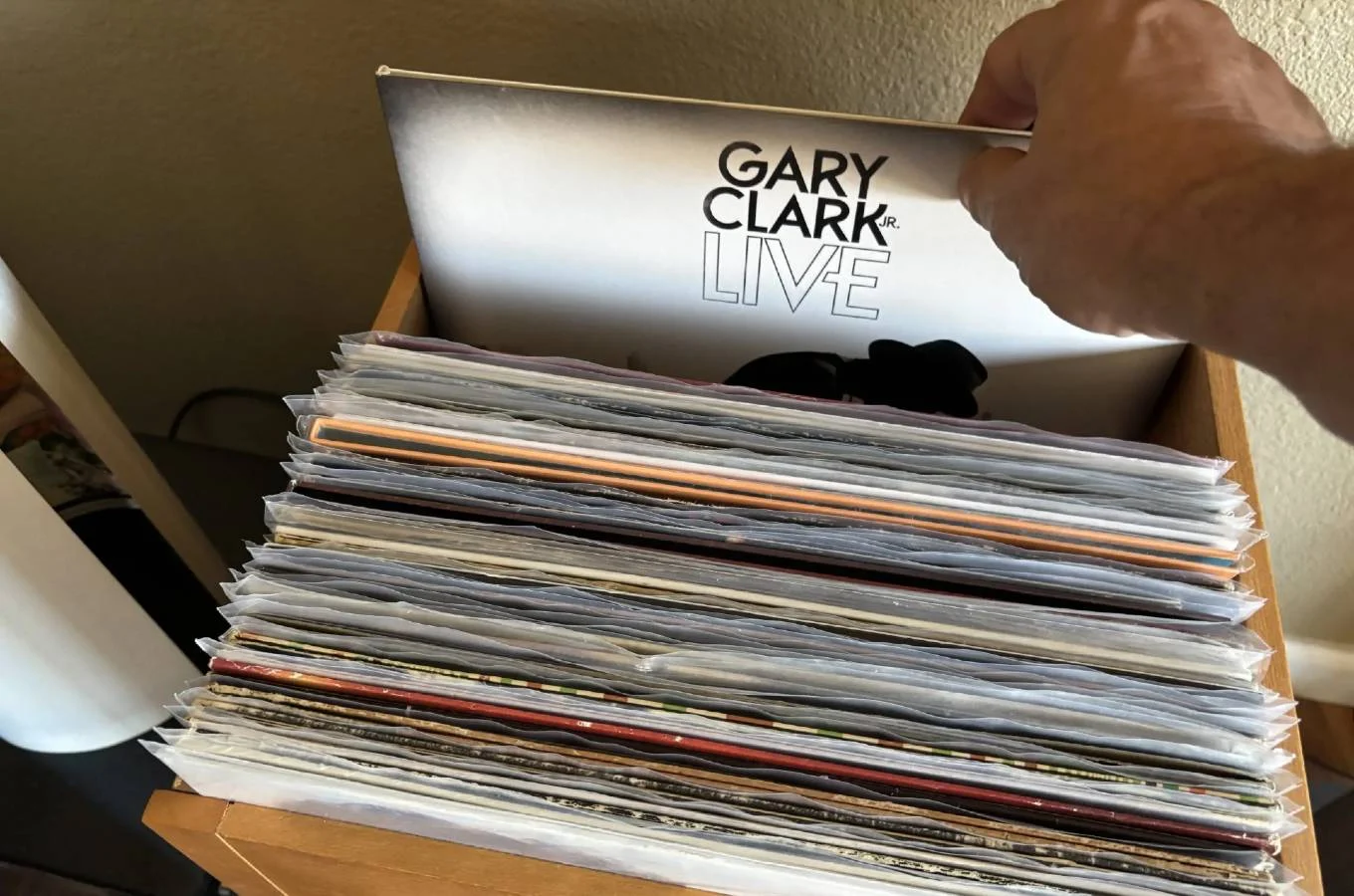
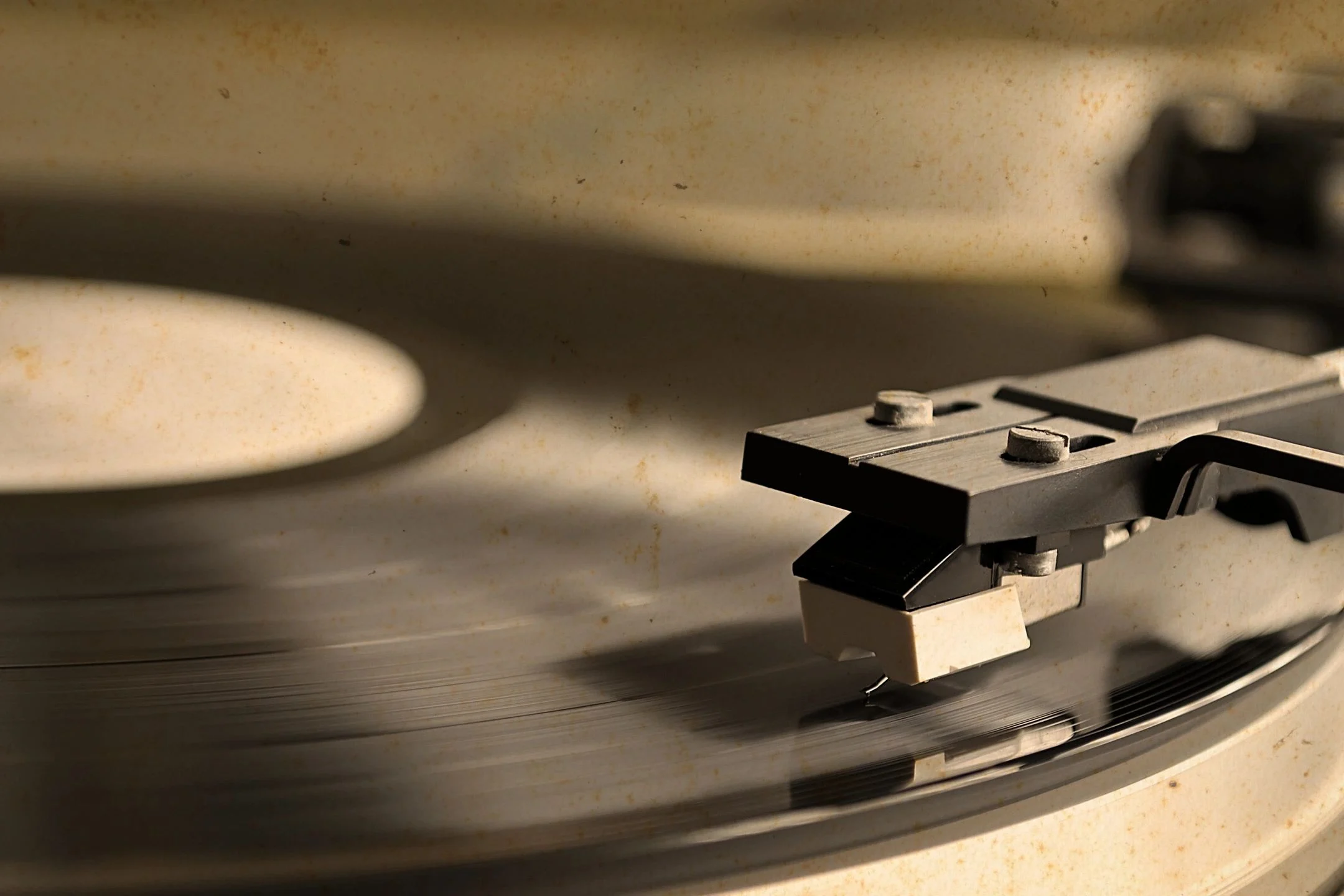
As streaming became the primary way people listened to music, a growing number of listeners began searching for something more tangible. Vinyl records offered a different experience. You had to choose an album. Remove it from the sleeve. Clean it. Place it on the platter. Drop the needle. The process required participation.
As record collecting grew throughout the 2010s and 2020s, interest in Japan’s listening culture surged. Music fans around the world discovered jazz kissa and realized they represented something increasingly rare: a place where people gathered specifically to enjoy music.
The Rise of Modern Listening Bars
Today’s listening bars owe a tremendous debt to jazz kissa culture.
While modern venues tend to be more social and often serve cocktails rather than coffee, the core philosophy remains the same. Music comes first.
Many listening bars feature:
- Vinyl-only playback
- Curated DJ sets
- High-quality sound systems
- Album listening events
- Rare records
- Comfortable seating designed for extended listening
The result is a space that feels different from a traditional bar, club, or restaurant.
The goal isn’t maximum volume — It’s maximum engagement.
Kissa Culture Comes to Colorado
You don’t have to fly to Tokyo to experience the influence of jazz kissa culture. Across Colorado, record shops, breweries, cafés, and listening-focused venues are embracing vinyl-centered events that prioritize music discovery and community.
Weekly vinyl nights have become increasingly popular, bringing collectors together to share records, discuss music, and hear albums on systems larger than most people have at home. Places like Denver’s growing listening-bar scene, vinyl-themed events, and record-centric gathering spaces all reflect ideas that jazz kissa owners pioneered decades ago.
Even when the atmosphere is more relaxed and social than a traditional kissa, the spirit remains the same: music deserves attention.
Why Vinyl Enthusiasts Connect With Kissa Culture
Ask a room full of record collectors why they love vinyl and you’ll hear a common theme. It’s not just about sound quality, it’s about connection. The artwork. The ritual. The experience of listening to an album from beginning to end. Kissa culture celebrates those same values.
It encourages us to slow down and spend time with music rather than treating songs as disposable content. In a world where nearly every recording ever made is available instantly, that approach feels more valuable than ever.
Japanese jazz kissa helped shape one of the most influential listening cultures in music history. Their emphasis on intentional listening, thoughtful curation, and shared musical experiences laid the foundation for today’s listening bars and vinyl communities.
The next time you’re at a record shop event, a vinyl night at your local brewery, or simply enjoying an album at home, you’re participating in a tradition that stretches all the way back to those quiet listening rooms in Japan. And that’s a pretty cool legacy for a cup of coffee and a record player.

Email Newsletter Sign Up
Get vinyl tips, Denver record store updates, stereo gear guides, and music nostalgia delivered to your inbox.
weekly popular