
Vinyl Record Static: Why It Happens and How to Remove It
If you’ve ever pulled a record from its sleeve and watched dust leap onto it like it was magnetized, you’ve encountered one of the most common frustrations in vinyl collecting: static electricity.
Static can cause annoying pops and crackles, attract dust and debris, make records difficult to clean, and even turn a simple listening session into a battle against airborne particles. While static won’t instantly ruin a record, it can contribute to many of the issues collectors mistake for permanent damage.
The good news? Static is usually manageable, and understanding why it happens is the first step toward reducing it. Disclosure: Some links on this page may be affiliate links. If you make a purchase through one of these links, Rocky Mountain Records may earn a small commission at no additional cost to you. I only recommend products I personally use, have experience with, or believe provide value to fellow vinyl collectors.
What Causes Static on Vinyl Records?
Static electricity occurs when two materials rub against one another and exchange electrons. Vinyl records are particularly susceptible because they are made from PVC (polyvinyl chloride), an insulating material that can easily hold an electrical charge.
Every time you:
- Remove a record from its inner sleeve
- Slide a record across a platter mat
- Brush the surface
- Walk across carpet and handle records
- Play records in a dry environment
…you create opportunities for static charge to build up.
Low humidity makes the problem even worse. This is why many collectors notice significantly more static during winter months when indoor heating dries out the air.
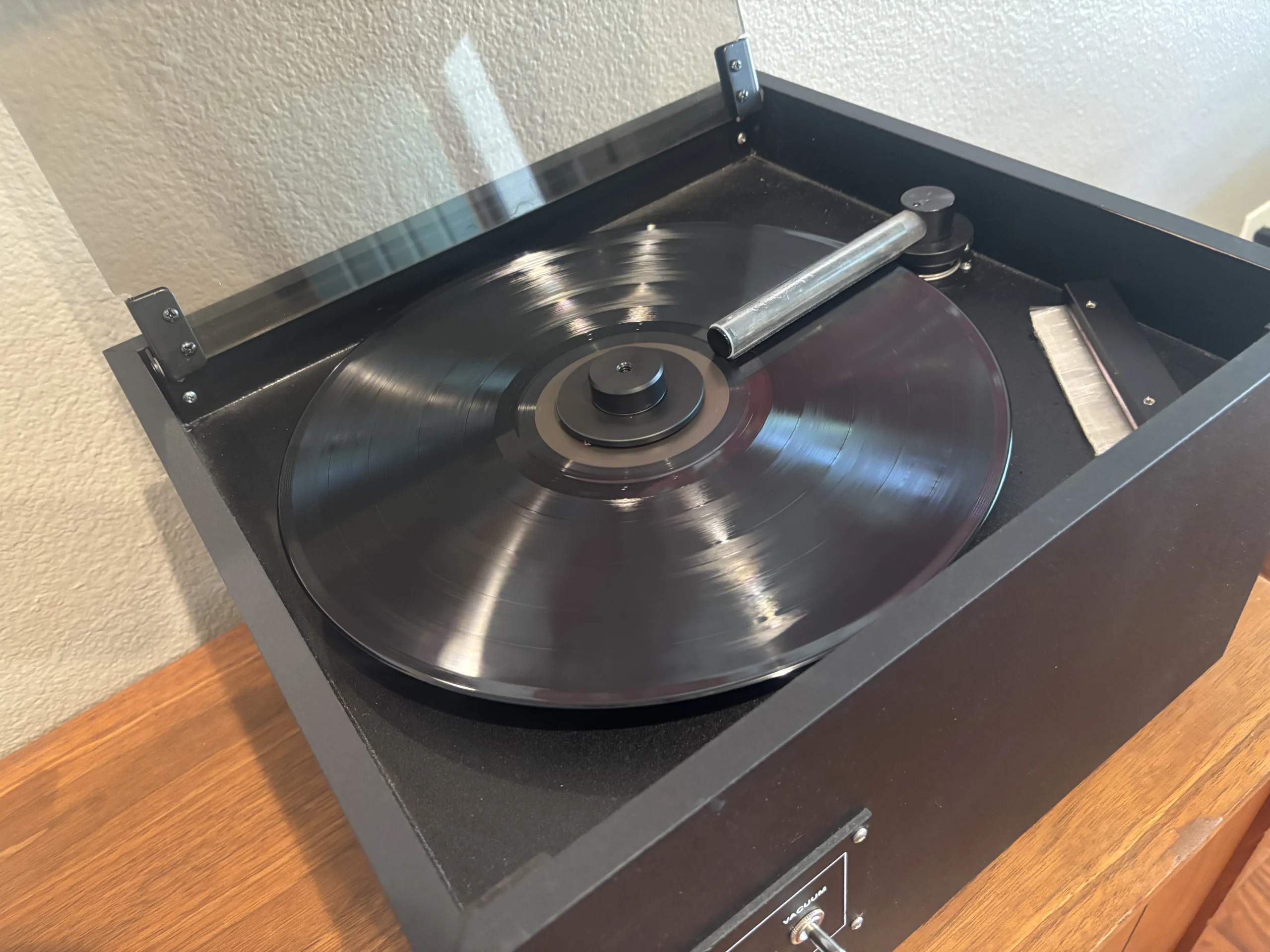
Here in Colorado, static can become a nearly year-round annoyance thanks to our naturally dry climate. I am constantly running new vinyl though the VPI Record Cleaner to try to remove the annoying pops and cracks.
Why Do Vinyl Records Attract Dust?
Opposite electrical charges attract one another. A statically charged record essentially becomes a dust magnet. As the record spins, airborne particles are drawn toward the surface and settle into the grooves. Some of these particles remain harmless, while others become lodged deep enough to create audible noise during playback.This is why a freshly cleaned record can sometimes appear dusty again just moments later.
The record wasn’t necessarily cleaned incorrectly. Static simply pulled new contaminants back onto the surface.
Does Static Damage Vinyl Records?
Not directly. Static electricity itself generally does not damage vinyl grooves. However, the problems it creates can indirectly affect playback quality and long-term record care.
When static attracts dust and grit:
- More debris enters the grooves
- The stylus encounters additional contaminants
- Pops and crackles become more frequent
- Cleaning becomes less effective
- Groove wear may increase over time if abrasive particles remain present
Many collectors assume they have a worn-out record when the real culprit is simply excessive static and accumulated dust.
Why Do Static Pops Sound Like Record Damage?
One of the most confusing aspects of static is that it often sounds remarkably similar to groove wear.
A statically charged record may produce:
- Sharp pops
- Crackling sounds
- Random ticks
- Increased surface noise
Because these noises occur during playback, listeners often assume the record is permanently damaged. But in reality, many of these noises disappear after a proper cleaning and static reduction treatment. And that’s good news if you’ve recently picked up a used record that sounds rough but appears visually clean.
How to Reduce Static on Vinyl Records
Fortunately, reducing static doesn’t require expensive equipment. A few simple habits can dramatically improve your listening experience.
Use Anti-Static Inner Sleeves
Paper sleeves are notorious for generating static. Many collectors replace factory paper sleeves with anti-static polyethylene sleeves. These sleeves reduce friction when inserting and removing records and help prevent charge buildup.They’re also one of the least expensive upgrades you can make to your collection.
Maintain Proper Humidity
Dry air encourages static. Most vinyl enthusiasts recommend keeping listening spaces between 40% and 60% relative humidity. A small humidifier can make a noticeable difference during dry winter months. This not only reduces static but can also make your listening room more comfortable overall.
Use a Carbon Fiber Record Brush
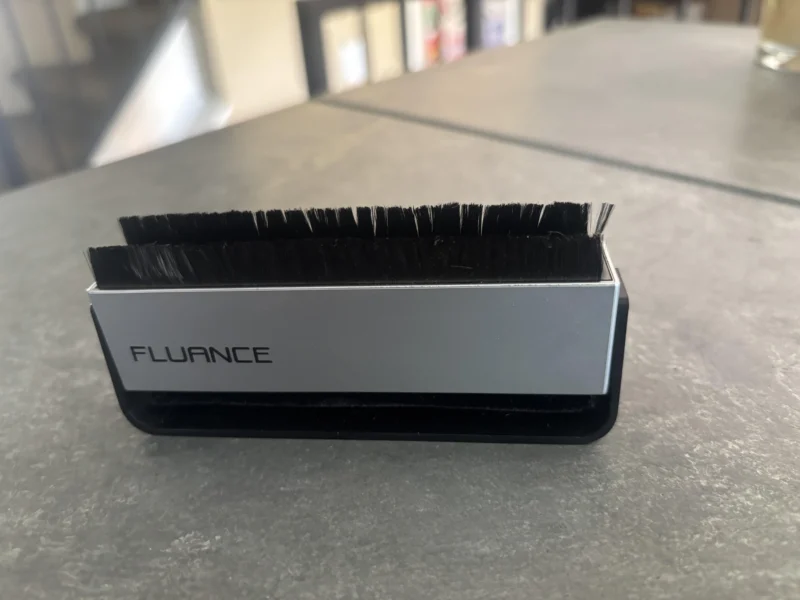
Carbon fiber brushes are popular because they can help dissipate small static charges while removing loose surface dust. Check out the Audio Technica AT6001a as an inexpensive option, or even better, grab a Record Doctor Clean Sweep brush.
Before each play:
- Place the brush lightly on the spinning record.
- Allow it to collect dust.
- Sweep debris off the edge of the record.
While a brush won’t completely eliminate static, it can significantly reduce its effects.
Clean Records Regularly
Dust and static often work together. A dirty record tends to hold more contaminants, which leads to additional playback noise. Regular cleaning helps break this cycle. Whether you use a manual cleaning system, record cleaning solution, a Spin Clean or a vacuum-style record cleaner, keeping records clean makes static easier to manage.
Ground Your Turntable Properly
Improper grounding can contribute to electrical noise and static-related issues. If your turntable includes a grounding wire, ensure it is properly connected to your amplifier or receiver according to the manufacturer’s instructions. Good grounding won’t eliminate all static, but it can reduce unwanted noise in your system.
Do Anti-Static Guns Actually Work?
Devices like the Milty Zerostat have developed something of a legendary reputation among vinyl collectors. These tools neutralize static charges by emitting positive and negative ions toward the record surface. Many users report excellent results, especially in very dry climates. The classic Milty Zerostat anti-static gun is about $120 or so and has been helping vinyl collectors battle static for decades. In fact, when I was in high school, I vividly remember my friend David’s father had an orange one, but he wouldn’t let us near it. Ha, Ha! So, I’ve never personally used one, but will one day and will report back.
Of course, if you think the Milty is too budget-friendly, the vinyl hobby has you covered. Enter the HumminGuru Orbit Static Remover—a dedicated machine whose sole purpose is removing static from records. It spins on your LP while ionizers neutralize static charges from every angle. Is it impressive? Absolutely. Does it work? From what I hear. Is it proof that audiophiles will engineer a solution for literally everything? Also absolutely. At some point, you’re not just collecting records anymore—you’re building a small research laboratory in your listening room.
That said, I’ve never personally used a Milty Zerostat or and Orbit Static Remover, so I can’t speak from firsthand experience. What I can say is that I’ve had very good results using a VPI record cleaning machine as part of my regular maintenance routine and a carbon fiber anti-static brush. But, even with the VPI some of my new records still pop and crack from static. So, maybe the Milty is the solution.
A thorough wet cleaning removes dust, grime, and other contaminants that tend to cling to statically charged records. In my own collection, records cleaned on the VPI seem to attract less dust afterward and generally produce fewer static-related pops and crackles during playback.
Could a Zerostat improve things even further? Possibly. Plenty of collectors certainly think so. But if you’re just getting started with record care, I’d personally put a quality cleaning routine ahead of a specialized anti-static tool. Clean records, anti-static inner sleeves, and proper storage will solve the vast majority of static problems for most collectors.

Email Newsletter Sign Up
Get vinyl tips, Denver record store updates, stereo gear guides, and music nostalgia delivered to your inbox.
weekly popular