Review: VPI HW-16.5 Record Cleaning Machine
If you spend any serious time digging through used vinyl bins – or even just care about getting the most out of your collection – the VPI HW-16.5 is one of those pieces of gear that eventually enters the conversation. It’s not flashy, it’s not cheap, but it has earned a long-standing reputation as one of the most effective vacuum record cleaning machines ever made. The latest version goes for around $1,200. When I purchased mine, the MSRP was $999, and I grabbed a used one from a local record store for $450. I traded $250 worth of records and paid cash for the rest. So, you can find them used, and since they’re so durable, you almost can’t go wrong buying a used one.
Please Note: I am not a professional reviewer, nor did I get anything free from VPI. I purchased my VPI HW-16.5 used, and I recommend you do too, if possible. This is just my opinion as an owner of this unit.
Built like a tank (because it kind of is)
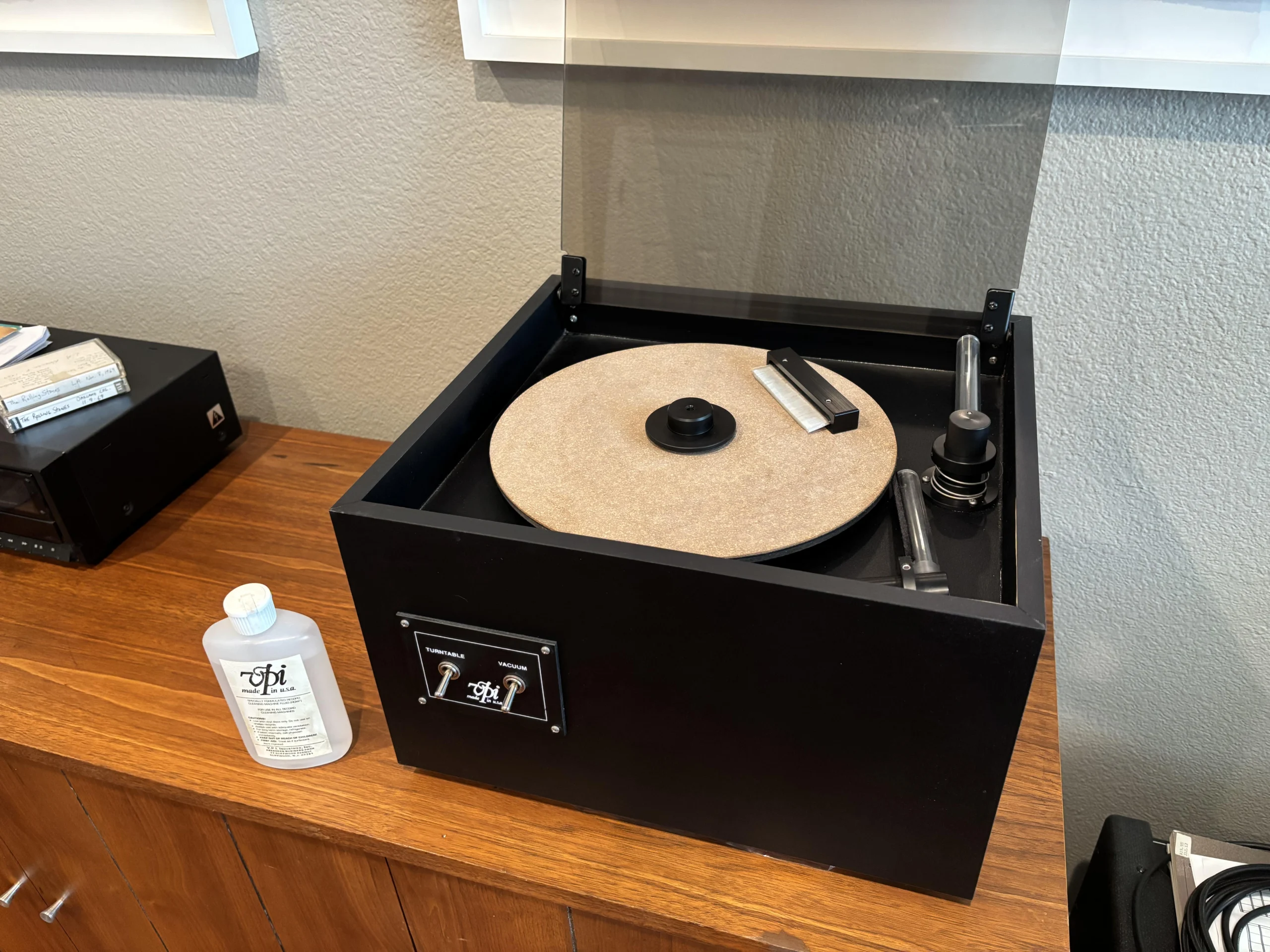
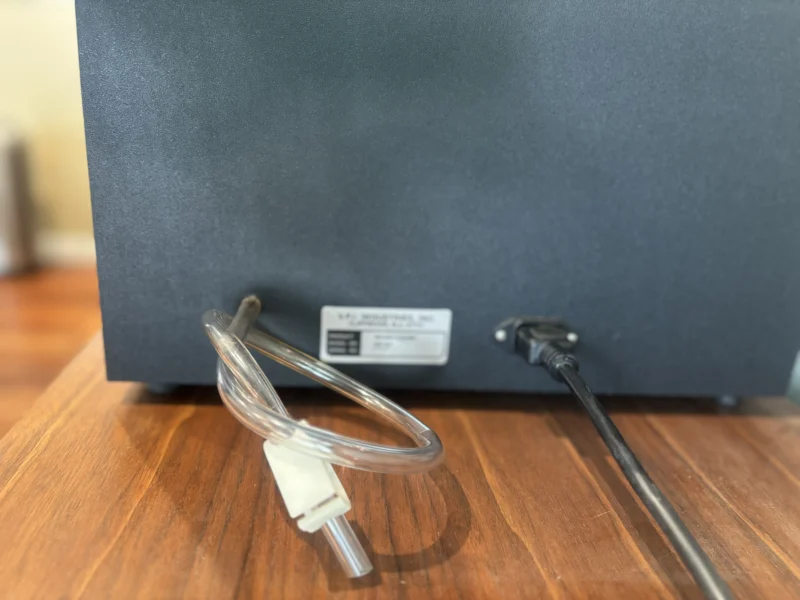
The first thing you notice about the HW-16.5 is the build. This isn’t a lightweight countertop gadget. It feels more like a small industrial tool – it’s big, heavy and loud. It’s made in the USA, and I believe all of the parts are replaceable. It’s designed to last for years, and it’s not fancy. To drain the tank, you need to tilt it at a 45° angle and use the included hose. Not flashy or glamorous, just simple and solid.
How it works (simple, but very hands-on)
The process is straightforward and very “analog-era practical”:
- Place the record on the platter and secure it
- Apply cleaning fluid while the record spins
- Use a brush to work the fluid into the grooves
- Engage the vacuum arm
- Let it pull the dirty fluid off the record surface
That’s it. No automation, no presets, no shortcuts. You’re involved in every step, which some people actually prefer because you can tailor cleaning intensity depending on the record’s condition. You don’t want to go more than two revolutions with the vacuum arm, as any more could create static (and you’re trying to elimate that!)
Cleaning performance
This is where the HW-16.5 earns its reputation. The vacuum system does a very effective job of pulling fluid—and the suspended dirt—out of the grooves. Records that come off the machine typically have:
- Lower surface noise and static
- Improved clarity in quieter passages
- Reduced crackle from embedded debris
- Better overall playback stability
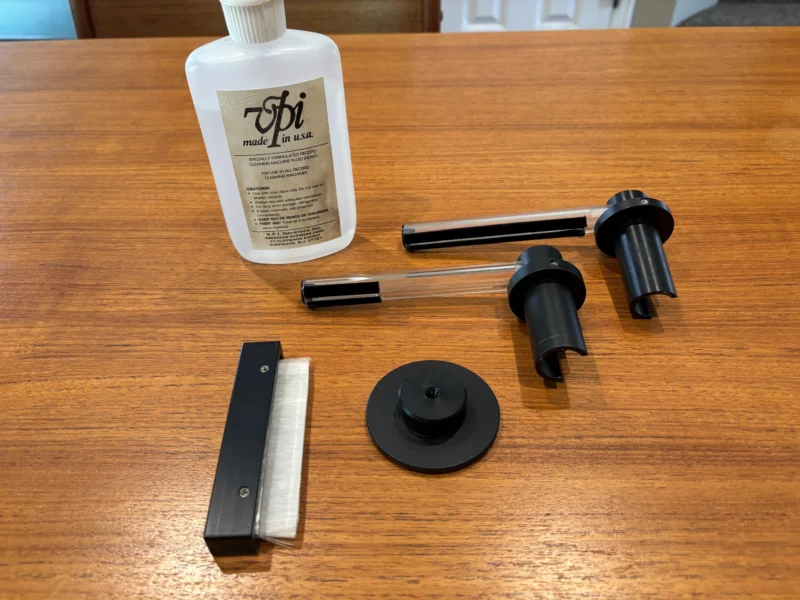
It won’t “fix” worn or damaged vinyl, but it absolutely removes the kind of grime, fingerprints, dust, and pressing residue that can make even good records sound dull. You can purchase different arms for standard LPs and 45 RPM records (it comes with the standard album arm, and although you can use that to clean 45s, it’s best to grab the 45 record arm at about $150 if you’re cleaning a bunch of those). The proof is in the pudding, or rather the drain reservoir. When you drain that, you’ll see exactly what you pulled off your dirty, disgusting records.
Speed and workflow
One of the underrated strengths is speed. A full clean cycle per side is roughly around a minute or so of active work, meaning you can process a stack of records pretty efficiently once you get into a rhythm. That said, it does get repetitive if you’re doing a large batch. This is not a “set it and walk away” ultrasonic system—it’s more like a workstation. If I’ve just purchased used vinyl, it absolutely gets a ride on the VPI. It’s also not a bad idea to clean brand new vinyl, as the VPI can help reduce static and other contaminents from the manufacturing and shipping process.
Noise and quirks
Like most vacuum-based machines, it’s not quiet…it’s very loud! The suction motor has an unmistakable “shop vac” character. It’s normal, but worth noting if you’re expecting something refined or silent.
A few other quirks users commonly mention:
- You do need to manage fluid usage carefully
- The vacuum wand wears over time and will need replacement or new felt strips – they’re only around $2 from VPI
- It takes up real physical space – 15.5″ wide, 14″ deep and 10″ tall.
- It’s manual from start to finish
None of these are dealbreakers, but they define the experience.
Who it’s for?
The HW-16.5 makes the most sense if you:
- Buy used records regularly
- Have a growing or serious collection
- Want consistent, repeatable cleaning results
- Prefer a mechanical, hands-on workflow over automation
If you only buy new sealed vinyl occasionally, it’s probably overkill. But if you’re constantly rescuing records from dusty shelves and thrift bins, it starts to feel essential.
The VPI HW-16.5 isn’t a “luxury” experience…it’s a workhorse tool. It doesn’t try to impress you with tech features or automation. Instead, it focuses on one thing: getting records genuinely clean in a reliable, repeatable way. I mean…look at the control panel!?! In a world of complexity, the VPI feels refreshingly basic—so basic it feels like something you’d see at a science fair project that somehow ended up becoming a very serious piece of audio gear.
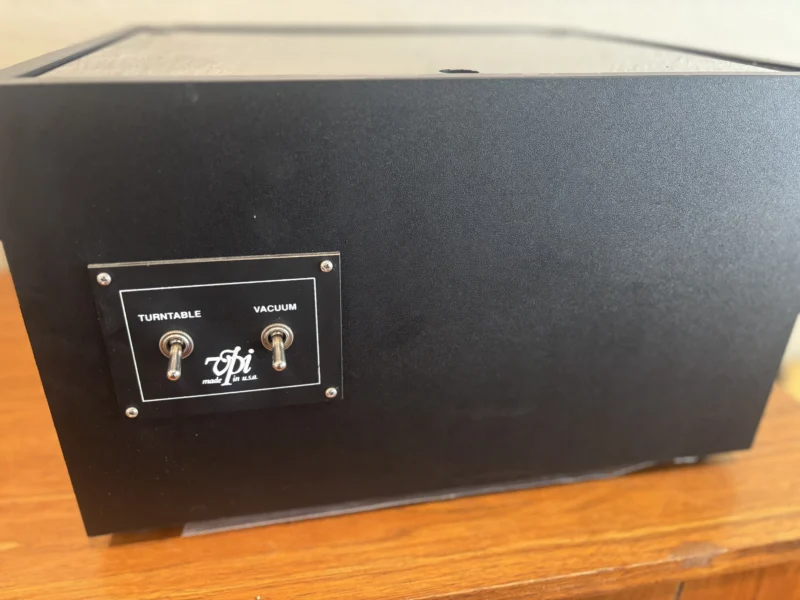
And in that role, it’s hard to argue with its reputation. It’s been around for a reason, and it still holds up in a world full of newer, more complex cleaning systems. I also make my own cleaning solution for a lot less than you can purchase commercial cleaning solution. It’s based on the recipe you can find here at the London Jazz Collector website. I store it in old Jack Daniel’s bottles with a skull and crossbones on the lid. Cause you know…probably poisonous to drink.
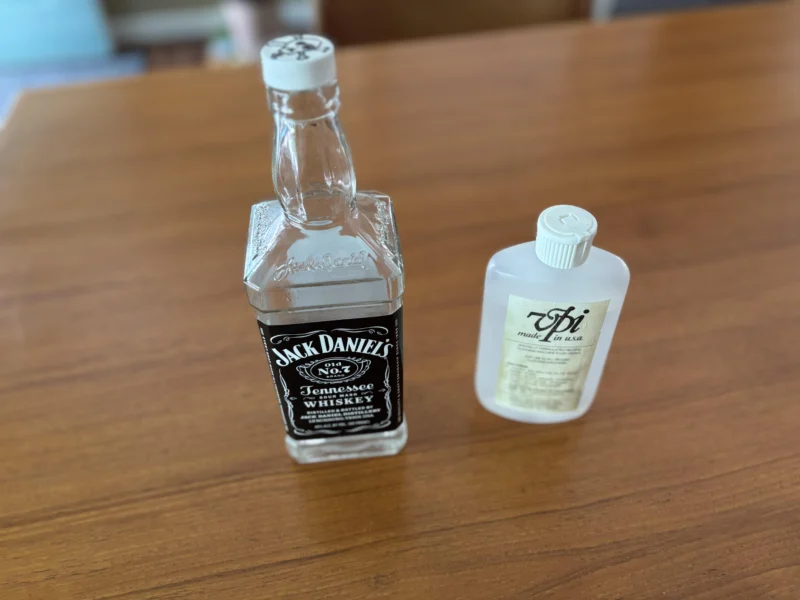
If your goal is simply to hear what’s actually in your grooves – this machine gets you there.

Email Newsletter Sign Up
Get vinyl tips, Denver record store updates, stereo gear guides, and music nostalgia delivered to your inbox.
weekly popular